The Best Indoor Rowing Machines
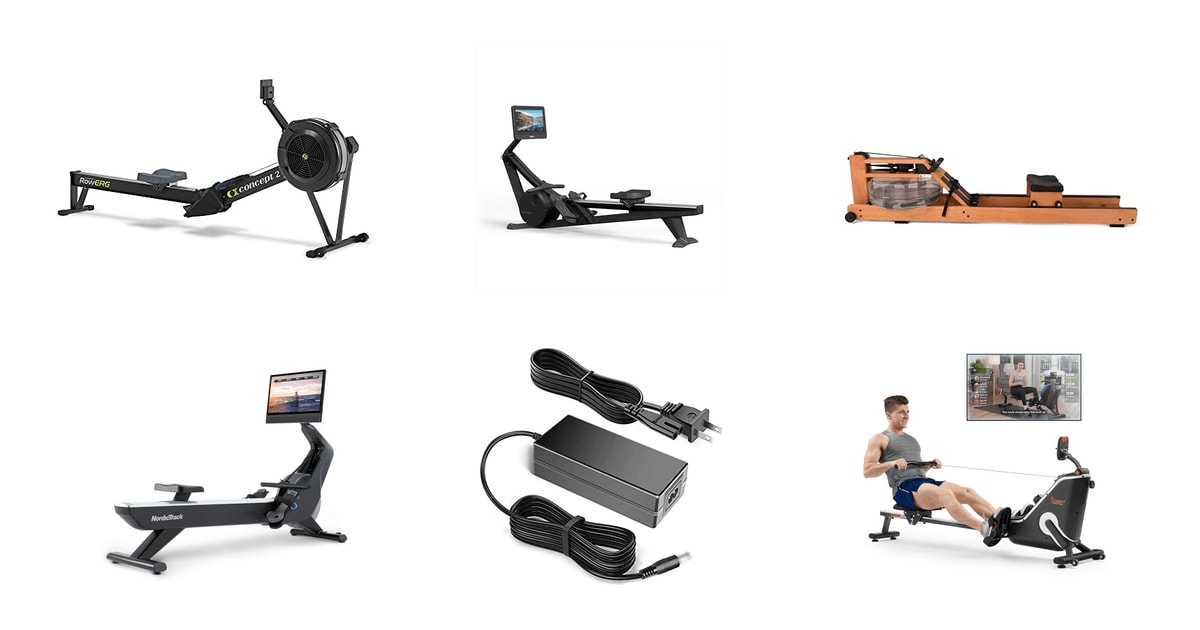
Rowing is the rare cardio machine that works almost your whole body at once. One stroke pulls in your legs, core, back and arms, so twenty minutes does what a longer run or ride would. It's low-impact too, which matters if your knees are done with pavement. But a rower is also a big piece of furniture. It's roughly eight feet long, it lives wherever you put it, and the wrong one becomes a very expensive coat rack by March.
Here's the honest part: no rowing machine solves the two problems that actually stop people. It won't teach you form, and bad form is what makes rowing feel like a back exercise instead of a leg exercise. It also won't make you want to row. Subscription platforms try to fix the motivation half, and for some people they work, but you're renting that motivation month after month. And every machine here needs real floor space — about nine feet by four when you're using it.
Resistance type shapes how the stroke feels. Air scales with how hard you pull and never caps out. Water gives you a splashy, on-the-lake pull. Magnetic and electromagnetic are the quiet options, though they trade away some of that surge when you drive hard. We think that the Concept2 RowErg is the best indoor rowing machine for most people, and that the Hydrow Wave is the one to buy if you want guided classes and near-silent operation in an apartment.
Everything we recommend
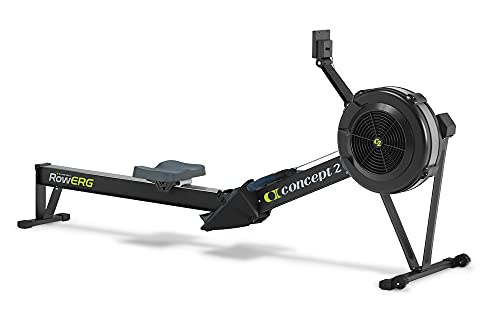
The stroke and the data everyone else is measured against
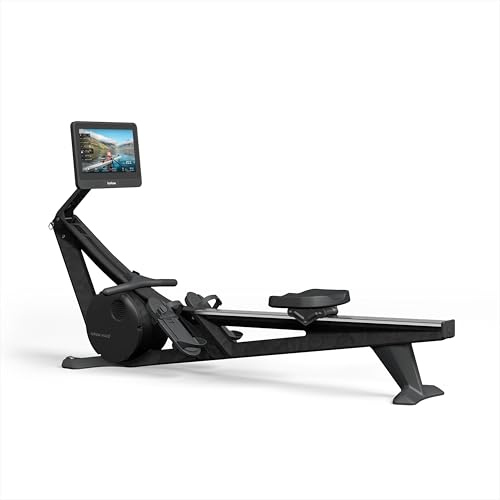
Nearly silent, with a coach on screen to keep you going

A real on-water pull, in something you won't hide in a closet
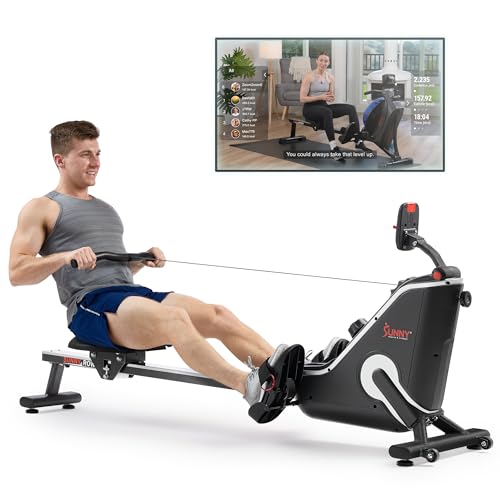
Enough machine to find out whether you'll actually row
How we picked
Resistance feel. We compared how air, water, magnetic and electromagnetic systems behave under hard effort, using manufacturer descriptions and published reviews. Machines whose resistance caps out at peak effort had to earn their place on other strengths.
Monitor and data. We looked at what each console actually reports, weighting watts and 500-meter split most heavily since those are what let you train progressively. Monitors that omit watts or can't export data lost ground.
Noise in a real home. Owner feedback and reviews aimed at apartment dwellers told us far more here than spec sheets did. We treated shared walls and early-morning sessions as the standard, not an edge case.
Footprint and storage. We compared in-use and stored dimensions against the roughly nine-by-four-foot space most rowers need. Upright storage counted for a lot; folding flat counted for less.
Cost over years. We separated the machine from the subscription, since the recurring fee often outruns the hardware over a few years. Platforms that lock core functions behind a membership were judged on the total picture.
Top pick
The stroke and the data everyone else is measured against
Concept2 RowErg Indoor Rowing Machine - PM5
This is the air rower you find in nearly every CrossFit box and rowing club, and it earns that spot. The PM5 monitor gives you pace, watts and stroke rate that mean the same thing on any machine, anywhere, with no subscription attached.
$990fromAmazonAir resistance never caps out, so a sprint actually feels like a sprint. The flywheel spins faster the harder you pull, and the resistance rises with it. There's no top level to bump into. That's why interval work translates so well here — you can bury yourself on a 250-meter piece and the machine keeps up. The damper lever from 1 to 10 changes airflow and stroke feel, not your ceiling on power.
The PM5 monitor is the closest thing rowing has to a common language. It reads out your 500-meter split, watts, stroke rate and calories in real time, and it's the standard used at World Rowing events and the CrossFit Games. A 2:00 split on your RowErg means the same thing as a 2:00 split on one in another gym. If you ever want to compare yourself to anyone else, this is the machine that lets you.
It plays nicely with whatever app you already use. Bluetooth and ANT+ let it talk to more than 40 apps and to heart rate straps, and the built-in holder keeps your phone or tablet propped where you can see it. So you can stream a coached row, log to a training app, or ignore all of it and just use the free Concept2 logbook. Nothing here is locked behind a paywall.
Nothing on it depends on a company's servers staying online. The monitor runs on two D batteries and tops itself up from the spinning flywheel. Concept2 backs the frame for five years and has kept parts flowing for decades. Connected rowers are only as good as the platform behind them, and platforms shut down. This one will row exactly the same a decade from now.
It fits taller rowers better than most. The monorail gives you the full slide length you need to reach the catch without folding yourself in half, and the 14-inch seat height makes getting on and off easy. Adjustable footrests with heel cups handle a wide range of shoe sizes. The listed user capacity is 500 pounds, the highest here by a wide margin.
Flaws but not dealbreakers
The seat is thin, and you'll feel it. Owners consistently mention numbness on anything past the 30-minute mark. A gel pad fixes it, but that's an extra thing to buy and a small annoyance on a machine at this price. If most of your sessions are long steady-state rows, budget for the pad up front.
There's no screen, so classes mean bringing your own device. The holder is nice, but you're still supplying a tablet and paying for whatever app you want to follow. If a big built-in display is what would get you rowing, look at the Hydrow Wave or the NordicTrack instead.
It's loud and it looks like gym equipment. Air rowers make a whooshing sound you can hear through a wall, which matters if someone's asleep nearby. And it splits into two pieces for storage rather than standing upright, so it needs more parked floor space than the WaterRower.
The RowErg comes with a five-year frame warranty.
Also great
Nearly silent, with a coach on screen to keep you going
Hydrow Wave Rowing Machine with Immersive 16''
The Wave uses electromagnetic drag instead of a fan, which makes it quiet enough for a shared wall. A 16-inch touchscreen streams live and on-demand rows led by instructors on real water, and the library runs past 5,000 workouts.
$1,995fromAmazonIt's the quietest machine here, full stop. Electromagnetic drag produces almost no mechanical noise during the stroke — no fan whoosh, no water slosh. If you row at 5:30 a.m. in an apartment, or in a room next to a sleeping kid, that difference is the whole ballgame. Reviewers who focus on shared living spaces have singled the Wave out for exactly this reason.
The classes are the product, and they're good at keeping you consistent. Instructors row actual open waterways, and at rowing pace the 16-inch screen fills enough of your view to feel like you're out there with them. The library covers strength, yoga and off-rower work too. If your problem is showing up rather than pulling hard, structured programming solves a real thing that a bare monitor won't.
HydroMetrics gives you something to chase besides distance. It scores your precision, endurance and power each session, so you can see whether your stroke is getting cleaner and not just faster. The machine also suggests workouts based on your goals and past rows. For an intermediate rower without a coach, that progression is genuinely useful.
The 375-pound capacity is the highest of the connected rowers here. Rowing is one of the best options for anyone who wants hard cardio without pounding their joints, and heavier users often get squeezed out by equipment limits. The Wave doesn't do that. Its frame is also shorter than the original Hydrow, so it fits rooms that couldn't take the full-size version.
Flaws but not dealbreakers
Skip the membership and you've bought an expensive rower with a dark screen. The monthly fee isn't optional in any practical sense — the classes, the metrics and the recommendations all live behind it. Add three years of that to the machine and this becomes the priciest way to row on this list by a wide margin.
Electromagnetic resistance feels flat compared with air or water. It's smooth and controllable, but you don't get the surge off the catch when you drive hard. Anyone who's rowed on water, or spent time on a Concept2, will notice within a few strokes. It's not a bad stroke; it's a tamer one.
The 16-inch screen shrinks fast once you step off the rower. For yoga or floor work viewed from a mat a few feet away, it's small. The NordicTrack's 24-inch pivoting display handles cross-training much better. Upright storage also requires a kit that's sold separately.
Upgrade pick
A real on-water pull, in something you won't hide in a closet
WaterRower Beech Wood Natural Rowing Machine with
The WaterRower's beech frame and enclosed water tank give you a smooth, self-regulating stroke and a calming splash instead of a fan roar. It stands upright in about 21 inches of floor space, so it can live in a living room without looking like gear.
$1,260fromAmazonThe water tank gets closest to what rowing on a lake feels like. Resistance rises and falls with your stroke speed, so there's no dial to fuss with and no level to pick. You just pull, and the drum answers. If you've rowed a shell, this is the home machine that won't feel like a compromise on stroke quality.
Solid hardwood soaks up sound and shake. Beech is dense, and the frame absorbs vibration that a steel-and-plastic rower would send straight into your floor. What you hear is a rhythmic splash, quieter and easier to live with than the whoosh of an air rower. Plenty of owners say the sound is the part that keeps them coming back.
It stores upright, which is the most useful trick in this whole guide. Stand it on end and it occupies roughly 21 inches of floor. Every other full-length rower here either splits apart or folds flat and still eats a corner of the room. If your rower has to share space with a sofa, this is the one that disappears.
It's the only one you'd leave out on purpose. Handcrafted wood, visible grain, no screen bolted to the front. That sounds like a soft reason to spend real money, but a rower you're not embarrassed by is a rower that stays in the main room — and one in the main room gets used more than one in the basement.
Flaws but not dealbreakers
Water resistance has a ceiling that air doesn't. The drum can only push back so hard, so peak sprint efforts top out sooner than on the RowErg. For steady rowing you'll never notice. For all-out 500-meter pieces, you will.
The S4 monitor is basic and doesn't do Bluetooth. You get pace, watts, stroke rate, distance and heart rate, which covers the fundamentals, but syncing to apps is limited compared with the PM5. If your training lives in Strava or Garmin, that's friction you'll feel every session.
The tank needs occasional attention. You'll top it off from time to time and treat the water to keep it clear. It's a few minutes a couple of times a year, not a chore — but it's upkeep no other rower here asks for.
Budget pick
Enough machine to find out whether you'll actually row
Sunny Health & Fitness Smart Compact Magnetic
Sixteen magnetic resistance levels, a stainless steel covered rail and a 300-pound capacity give you a real full-body workout with no monthly fee. It's compact, it stores upright, and the free SunnyFit app adds guided sessions at no extra cost.
$299.99fromAmazonIt's a genuine rowing stroke, not a toy. Sixteen magnetic levels adjusted by a dual induction sensor give you enough range to work hard, and the elastic rope rebound keeps the return smooth. Legs, core, back and arms all fire the way they should. For learning technique and building a habit, this does the job the expensive machines do.
Nothing here costs you money every month. The SunnyFit app is free with the machine and includes over 1,000 trainer-led workouts plus scenic virtual routes. Compare that with the connected rowers, where the classes are the recurring bill. If you're not sure rowing will stick, paying nothing to find out is the right call.
The covered stainless rail keeps it quiet. The seat runs on a hardened enclosed rail rather than an exposed track, which cuts down on rattle and grit. Magnetic resistance is already near-silent, so the rail is most of what you'd hear. It's a reasonable pick for an apartment if you can't stretch to the Hydrow.
It's the easiest one to fit in a normal room. At about 75 inches long and 21 wide it's shorter than the full-size machines, and it stores upright. If you're rowing in a bedroom corner or a converted office, the smaller footprint is what makes it possible at all.
Flaws but not dealbreakers
The display is a basic LCD, and there's no app connectivity. You get the essentials on screen, but no watts you can trust for progressive overload and no Bluetooth to log workouts anywhere. Serious training gets hard to track. If numbers motivate you, this will frustrate you within a few months.
Build quality tracks the price. Owners report more flex and more plastic than on premium frames, and squeaks and creaks show up over time. It'll hold up to regular use, but it won't feel like the Concept2 in three years.
Magnetic resistance flattens out at the top end. Level 16 is the ceiling, and once you're strong enough to bump into it, harder pulling doesn't get you more. That's the moment most people start shopping for an air rower. The seat also gets uncomfortable past about 20 minutes without a pad.
Who this is for
This guide is for anyone setting up a rower at home, whether that's a garage gym, a spare bedroom or one corner of a studio apartment. Buy now if you have about nine feet by four to give up and a specific reason to row — rehab-friendly cardio, off-season conditioning, or simply something you'll actually do three times a week. If you're not sure rowing will stick, start with the budget pick and spend the difference on learning your form. And if you live somewhere with thin walls and sleeping housemates, let noise drive your choice before anything else does.
You should skip all of this if your space can't take a machine this long, or if you already have cardio you enjoy. We cover full-size home rowers you can buy directly, across all four resistance types. We're not covering commercial club equipment, water rower brands that don't sell direct, or accessories like seat pads and heart rate straps — though a gel pad is worth owning with almost any machine here.
How we picked
We weighed five things. Resistance feel: whether the stroke keeps rewarding you when you pull harder, or hits a ceiling. Monitor and data: what the console reports, with watts and 500-meter split mattering most because they're what you train against. Noise: how the machine behaves in an apartment at six in the morning, judged from owner feedback rather than spec sheets. Footprint and storage: in-use length against stored footprint, with upright storage counting heavily for small homes. Cost over years: the machine plus whatever subscription it needs to do its job, because a monthly fee can quietly outgrow the hardware.
Other indoor rowing machines worth considering
If you want one machine that covers rowing and everything else: The NordicTrack RW900 Rower ($1,999) — The NordicTrack RW900 has a 24-inch touchscreen that pivots away from the rail, so you can follow yoga, strength or floor classes without a second device propped on the carpet. Twenty-six digital resistance levels adjust automatically when an iFIT trainer calls for it, and the routes run through real locations around the world. One household membership covers every NordicTrack in the house, which helps if more than one person is training. What you give up is rowing quality: magnetic resistance doesn't have the dynamic pull of air or water, and this is the heaviest, bulkiest machine here even folded. Nothing connected works without the monthly iFIT fee.
The competition
This is what our research turned up among rowers you can buy directly, not a survey of everything on the market. Plenty of capable machines from smaller brands and club suppliers never made it into the comparison. We stuck to full-size machines meant for serious home use, so anything that didn't clear that bar simply isn't here.
Setup and maintenance
Measure before you order. Most full-length rowers need about nine feet of clear length and four feet of width, and you want room behind the seat for your body at the catch. If you plan to store a machine upright, check your ceiling height too. Once it's in, keep the rail clean — wipe it after sweaty sessions, since salt is what chews up seat rollers and bearings. Air rowers need the flywheel housing vacuumed every few months, because dust builds up in the fan and dulls the feel. Water tanks want a purification tablet a couple of times a year and an occasional top-off. Check footrest bolts and the chain or strap periodically; a loose footrest is the most common source of that clunk people mistake for a broken machine.
Questions we get
What's the difference between air and water resistance?
Air rowers use a fan flywheel that pushes back harder the faster you pull, with no fixed ceiling — that's what makes them great for intervals and sprint work. Water rowers use a sealed drum that self-regulates by stroke speed and feels closest to rowing an actual boat. Air is louder, a whooshing sound through walls; water is a gentler splash. Both feel more natural under hard effort than magnetic systems.
Are connected rowers worth the monthly subscription?
They're worth it if showing up is your problem and a coach on screen fixes it. Live classes and structured programming keep a lot of people rowing who'd otherwise quit by week three. But if you already follow a plan and row on your own, you're paying every month for something you don't need — a Concept2 with the free logbook and an inexpensive third-party app gets you comparable structure for far less over a few years.
Which rowing machine is quietest for an apartment?
The Hydrow Wave. Its electromagnetic drag makes almost no mechanical noise during the stroke, which is why reviewers focused on shared living spaces keep pointing to it. The WaterRower is the next best option — hardwood absorbs vibration and the splash is easier on neighbors than a fan. Air rowers like the Concept2 are the loudest of the group.
How much space does a rowing machine really need?
Plan on about nine feet of length by four feet of width for most full-size machines, since you need clearance behind the seat when you reach the catch. Stored footprints vary a lot: the WaterRower stands upright in roughly 21 inches of floor, while a folded machine still occupies a real corner of the room. Measure your ceiling height too if you plan to store anything vertically.
Is rowing bad for your back?
Done properly it's one of the gentler things you can do, and it shows up regularly in cardiac rehab and physical therapy programs. The injuries come from three form mistakes: rounding your lower back at the catch, opening your back before your legs finish the drive, and pulling the handle up to your neck instead of your lower ribs. The sequence is legs, then back, then arms — and exactly the reverse on the recovery. Watch a free technique video before your first session.
What should a tall rower look for?
Slide length, first and foremost. If the rail is short, you can't reach the catch without compressing into a ball, and your stroke gets shorter and weaker. The Concept2 RowErg's straight monorail handles rowers up to roughly 6'8", and its adjustable footrests with heel cups fit large shoe sizes. Check the seat travel on any compact machine before you buy — that's where short frames give themselves away.
Why you should trust us
For this guide:
- We read manufacturer specifications and listing details for every machine in this guide, comparing resistance systems, monitor capabilities, weight capacities and stored dimensions side by side.
- We reviewed published assessments from established fitness and consumer-testing outlets, paying particular attention to noise findings from reviewers who evaluate equipment in apartments.
- We combed owner feedback for recurring themes — seat comfort on long sessions, frame flex on budget machines, and how often subscription costs surprise buyers after the fact.
- We read owner reviews on every listing, weighted toward the critical ones, because that is where the recurring failures show up.
- We have a systematic way of automatically fetching the latest prices, so the numbers on this page stay current.
- This is a research-focused guide, so the team may not own every product listed — though we often do own the top winners, which gives us extra context for the recommendations.
- We don't accept free products, and the retailer commission never changes which product we recommend.
Sources
Best Rowing Machines — Wirecutter (New York Times), Wirecutter
Best Rowing Machines Tested by Fitness Experts — Garage Gym Reviews, Garage Gym Reviews
Best Rowing Machines 2026 — Men's Health, Men's Health
Best Rowing Machines Tested — Good Housekeeping, Good Housekeeping
Concept2 RowErg Official Specifications and PM5 Monitor, Concept2
Amazon product listings and owner reviews for all 6 products
Manufacturer specification pages for each product
Some passages in this guide may be paraphrased with AI help. Prices are refreshed automatically.
More like this.
Continue exploring health reviews and recommendations.

The Best Running Shoes for Men and Women
A running shoe is the only piece of gear that touches you on every single stride. Over an hour-long run that's thousands of landings, and a shoe that's…

The Best Continuous Glucose Monitors and Sensor Covers
A continuous glucose monitor is a small sensor you wear on the back of your arm. It reads your glucose every few minutes and sends the number to your…

The Best Reacher Grabbers for Seniors
A reacher grabber earns its keep by the number of times you don't have to bend down. The dropped sock, the can on the top shelf, the remote that slid…

The Best Mouth Tape for Sleep
Most of us never think about which hole we breathe through at night. But if you wake up with a mouth like sandpaper, a sore throat, or a partner who's…

The Best Gifts for Weightlifters
Lifters are easy to shop for and easy to get wrong. They already own the things they use constantly - the shaker, the shoes, the headphones - and they've…

The Best Yoga Mats
A yoga mat is one of the few pieces of fitness gear you touch with your whole body. You kneel on it, sweat on it, press your palms into it while upside…